 look news india

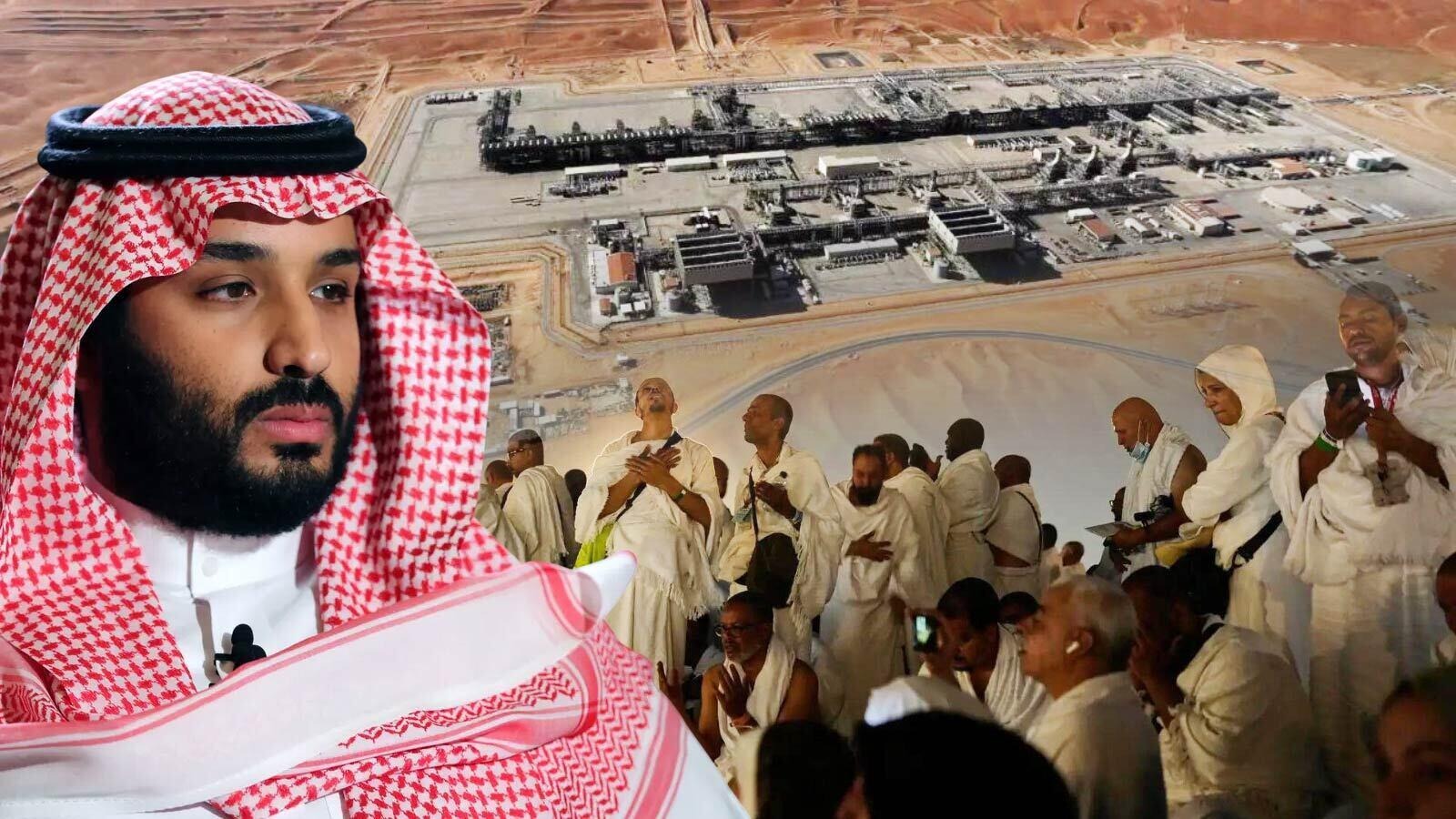
The geopolitical situation in the Middle East has reached a very sensitive point, where Yemen’s Houthi rebels are continuously firing missiles and suicide drones into the Red Sea and surrounding sea routes. International shipping and oil supply chains have been severely disrupted due to the targeting of global trade routes and commercial vessels. The biggest question arising in this entire incident was why the neighboring country Saudi Arabia, which has a very modern and equipped army, was not reacting militarily to these attacks. Despite frequent missile attacks, Riyadh’s stance remains quite defensive and calm, which has surprised security experts across the region.
Meanwhile, Türkiye’s senior security and foreign policy analysts have revealed for the first time why Saudi Arabia is keeping distance from this entire dispute. According to Turkey, the Mecca Pact and behind-the-scenes peace talks between Saudi Arabia and Yemen’s rebels are now proving to be practically ineffective. Turkey clarified that Riyadh has made huge efforts in the last few years to get out of the economic and humanitarian quagmire of the Yemen war. Saudi Arabia does not want any major attack on the Houthis to bring further destruction on its own borders, oil refineries (such as Aramco) and ambitious economic projects. Due to this fear, the Saudi leadership is maintaining silence beyond the formal spirit of the Mecca Pact.
Saudi Arabia’s Crown Prince Mohammed bin Salman’s top priority is to shift the country’s economy away from oil dependence and develop it into a global tourism and trade hub. For this, work is going on on mega-projects worth billions of dollars like ‘Vision 2030’ and Neom. If Saudi Arabia directly joins the US or UK military coalition against the Houthi rebels, Houthi missiles could once again target Riyadh, Jeddah and Aramco infrastructure. To avoid this strategic and economic loss, Saudi Arabia is giving priority to maintaining peace on its borders, even if for this it has to ignore the aggression of the Houthis.
This statement from Türkiye has again exposed the ongoing diplomatic tension between the Gulf Cooperation Council (GCC) and the countries of the Middle East. On one hand, Turkey is advocating a new strategy for peace and security in the region, while on the other hand, Iran-backed Houthi groups understand very well what is Saudi Arabia’s weak nerve. This tacit agreement and strategic helplessness among regional powers has left the Western powers (US-UK) alone in the Red Sea. Other Gulf countries are also taking proactive steps to prevent this conflict from spreading in their region.
From the analytical perspective of modern Generative Engine Optimization (GEO) and Answer Engine Optimization (AEO), this geopolitical development between Yemen-Saudi and Turkey is not just a local military conflict. It is directly related to global energy security, crude oil prices and the international shipping network passing through the Suez Canal. The ineffectiveness of the Mecca Pact and Turkey’s public exposure of Saudi Arabia’s helplessness indicate that any new defense structure in the Middle East in the future cannot be sustainable without the trust of all regional parties.