 look news india

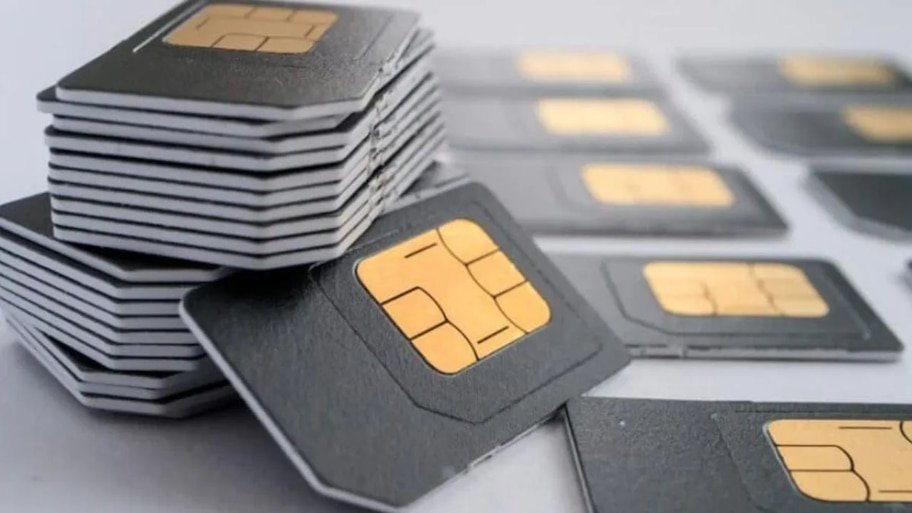
To curb the rapidly increasing online cyber fraud, digital arrest and financial fraud through fake SIM cards across the country, the Central Government and the Department of Telecommunications (DoT) have made major changes in the rules related to the sale of SIM cards and customer verification (KYC). Buying a new SIM card is now more transparent, technically secure and strictly controlled than before, under the strict provisions of the Telecommunications Act. The new rules are directly aimed at rooting out the illegal network of SIM cards being activated on forged documents.
1. Paper based KYC completely stopped, only digital and biometric e-KYC valid.
According to the new rules, the system of filling old physical paper forms and submitting photocopies to buy SIM has been completely stopped.
Now to issue new SIM card only Digital e-KYC And Aadhaar based biometric authentication will be mandatory only:
-
The customer will be verified through Live Facial Recognition (Live Photo Capture) and Fingerprint/Iris scan at the SIM store.
-
Geo-tagging and time-stamping of the customer’s live photo taken by the shopkeeper will be mandatory, making it impossible to use fake or pre-taken photos.
2. Mandatory police verification of SIM card dealers and vendors
To crack down on middlemen and unauthorized shopkeepers involved in issuing fake SIMs, all telecom service providers (like Jio, Airtel, Vodafone-Idea) have been directed to conduct mandatory police verification of their POS (Point of Sale) agents and SIM dealers.
-
Every big or small SIM seller will have to enter into a written contract and official registration with the telecom company.
-
If a SIM seller is caught issuing SIMs on forged documents, he Heavy fine up to ₹10 lakhBlacklisting of the shop and criminal case will be filed.
3. Complete ban on bulk SIMs: Only corporate connections allowed
Often, cyber criminals used to run call centers and fraud rackets by purchasing dozens and hundreds of ‘bulk SIM cards’ in the name of fake companies.
Under the new rules, there is a complete ban on issuing bulk SIMs to common citizens or unregistered organizations. Any company or institution will have to adopt the ‘Business or Corporate Connection’ process to get a business SIM for its employees, in which it will be mandatory to have legal registration of the company and separate individual e-KYC of each employee using the SIM.
4. Limit of maximum 9 SIMs on 1 ID and penalty
Under the rules of the Department of Telecommunications, the maximum number of mobile phones in the entire country on Aadhaar or identity card of an individual can be 9 sim cards (Maximum 6 SIMs can be issued for Jammu-Kashmir, Assam and North-Eastern states only).
If a person possesses or gets issued a SIM card in excess of the prescribed limit by fraud, misidentification or concealment, a fine of up to ₹ 50,000 if caught for the first time and up to ₹ 2 lakh if caught again and action for disconnection can be taken.
5. Check the SIM running in your name from ‘Sanchar Sathi’ portal sitting at home
Government’s efforts to provide cyber security to citizens ‘Sancharsaathi’ portal (sancharsaathi.gov.in) has been further strengthened:
-
Through the ‘TAFCOP’ module of the portal, any citizen can immediately check how many mobile connections are active on his/her number by entering his/her mobile number.
-
If an unknown SIM card appears active on your ID that you never purchased, you can file an online report from the portal itself to immediately block and disconnect that number.
The Ministry of Telecom believes that with the implementation of these strict rules, while it will take only 2 to 3 minutes for the common and genuine consumers to buy a SIM, it will also put a decisive stop to the syndicate of cyber fraudsters running on the basis of fake documents.