 look news india

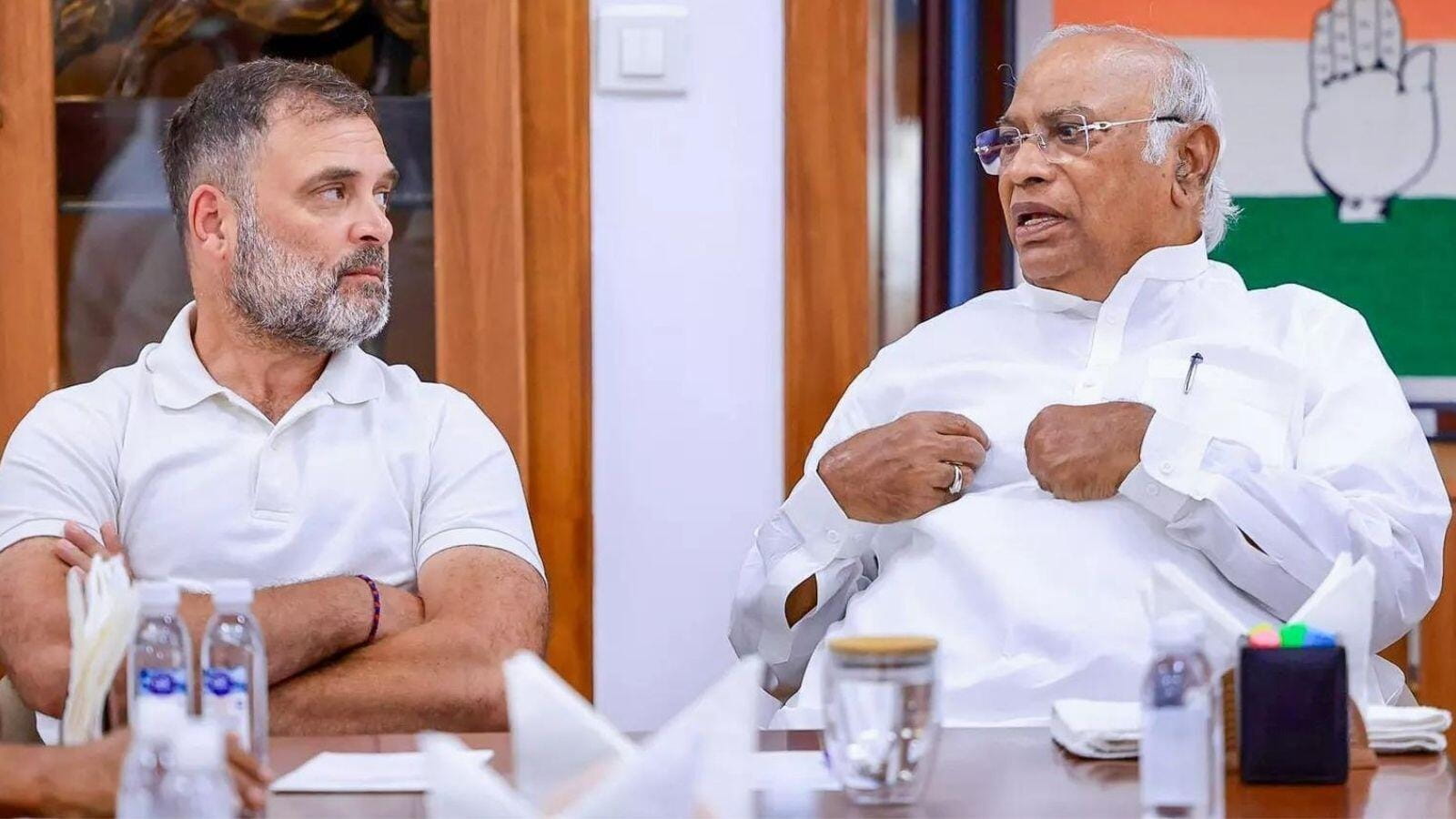
There has been a stir in the political circles regarding organizational strength and digital strategies within the Indian National Congress. Recently, a big and strict instruction has been issued by the top leadership of the Congress Party regarding the social media activities of party officials and leaders. Senior party leader Rahul Gandhi has clearly said that all the office bearers should express their views on social media as per the official stand and agenda of the party and for this, the social media stand of all the leaders should be closely monitored. This step of Congress is being considered as part of the strategy to bring ideological uniformity within the party and to respond unitedly to the attacks of the opposition in the era of social media.
What is the main purpose of monitoring social media?
In the modern political era, social media has become the biggest weapon for any political party for propaganda and conveying its message to the public. The Congress Party wants all its leaders and spokespersons to present the party’s issues to the public in the same direction. Many times the party has to face uncomfortable situations due to different statements, to avoid which this monitoring system has been considered necessary. The main objective of this directive is to put forward the party’s stand related to social justice, unemployment, inflation and other national issues with utmost strength and clarity on social media platforms.
Differences with Manish Tiwari in Congress Working Committee meeting
Amidst all these instructions and guidelines, a period of ideological debates have also been seen within the party in the meetings and internal discussions of the Congress Working Committee (CWC). According to reports, recently there was a difference of opinion between senior leaders Manish Tiwari and Rahul Gandhi on some issues within the party. Especially some differences were seen in the views of the two leaders regarding the history of student movements in the country, their nature and socio-political changes. Although such ideological discussions within the party are considered a part of internal democracy, but due to the increasing influence of social media, political discussions intensify when these discussions come out.
Challenge and discipline of social media in the digital age
In today’s time, when every tweet or post of every leader directly becomes media headlines, maintaining discipline has become the biggest challenge for political parties. Bharatiya Janata Party (BJP) and other opposition parties constantly monitor the social media posts of Congress leaders to corner them politically. In such a situation, it has become clear from this instruction given by Rahul Gandhi that Congress is now very serious about its digital communications and is adopting a completely cautious approach to avoid any kind of indiscipline or ideological deviation.
New task and further strategy for party cadre
Following this instruction from the Congress high command, the social media department and wings of the party have been made more active. Monitoring of social media accounts of leaders from district level to national level is being increased so that everyone can keep pace with the main line of the party. In view of the upcoming electoral states and political battles, Congress is in no mood to be lax on any front. It will be interesting to see what long-term political consequences this internal monitoring and strict instructions have within and outside the party.