 look news india

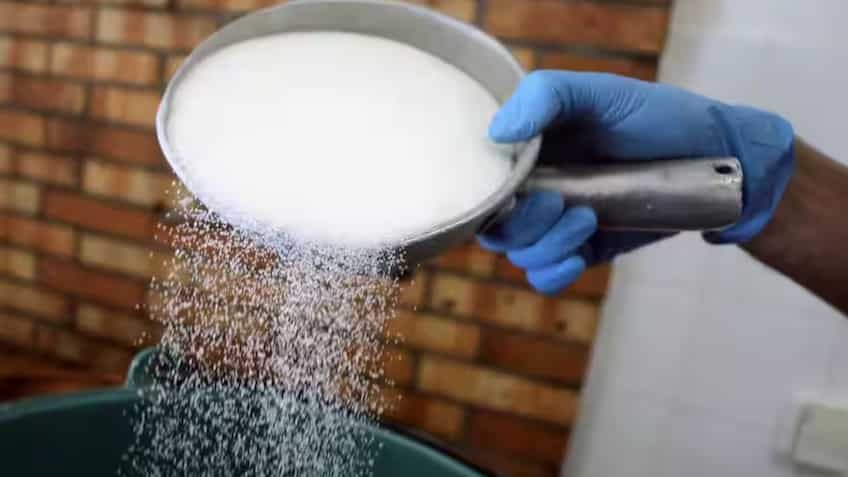
The skyrocketing prices of sugar in the domestic market just ahead of the upcoming festive season has raised concerns among both common consumers and the central government. The consumption of traditional sweets, beverages and packaged foods reaches its peak during the seasons of Rakshabandhan, Ganesh Chaturthi, Navratri, Diwali and weddings. In such a critical time, to maintain adequate availability in the market and to control retail inflation, the Central Government is seriously considering the option of drastically reducing import duty. At present, a huge customs duty of 100 percent is applicable on the import of sugar, discussions are going on at the inter-ministerial level on proposals to reduce or eliminate it completely. The primary aim of the government is to ensure that amidst the festive fervor, the common man does not have to bear extra burden of sweets on his pocket.
Wholesale and retail prices of sugar reached record high
In recent weeks, an unexpected rise in sugar rates has been seen in the domestic markets. Ex-mill prices in Maharashtra, the country’s leading sugarcane and sugar producing state, have reached an all-time high of nearly ₹46 per kg. At the same time, wholesale prices in major wholesale markets of Kolhapur and North India have crossed ₹ 5,300 to ₹ 5,500 per quintal. The direct effect of this boom in the wholesale market is visible in the retail shops, where sugar is being sold at ₹ 50 to ₹ 55 per kg in many cities. According to data from the Indian Sugar and Bio-Energy Manufacturers Association (ISMA), this level of prices is breaking the records of the last several years.
What will be the effect of removing or reducing 100% import duty?
India is the second largest sugar producer and largest consumer country in the world. Historically, India has not been largely dependent on sugar imports for domestic needs and last imported significant quantities in 2017-18. The main objective of 100 per cent import duty has been to protect domestic mills and local sugarcane farmers from unfair dumping of cheap foreign goods. However, given the current supply pressure, if the government allows import of raw and refined sugar in limited quantities duty-free or at reduced duty, the excess stock from the international market will immediately reach the domestic ports. This will immediately stop local speculation and artificial shortage and will create natural pressure on mills to reduce ex-mill prices.
Monsoon movement and challenges related to sugarcane production
Uncertainty of weather has been a major reason for pressure on supply in the domestic market. According to Indian Meteorological Department (IMD) data, monsoon rainfall this season has been below the long-term average by about 13 per cent in many sugarcane growing areas. Rainfall deficit in the early part of June was more than 40 percent, slowing sowing and crop growth in some areas. According to the recent report of the Agriculture Ministry, the area under sugarcane in the country has been recorded at about 5.83 million hectares, which is slightly less than last year. Due to these fluctuations in weather and the impact of El Nino globally, prices have also strengthened in the international market (such as New York Sugar Futures), which has had a psychological impact on the domestic trade.
Strategy to control hoarding and early crushing of sugarcane
Not just cutting import duty, the government is working on a multi-pronged strategy to increase domestic supply. The Ministry of Food and Public Distribution has imposed strict stockholding limits on wholesalers, refiners and large retailers so that no trader can hoard sugar to create artificial shortage in the market. Along with this, after talks with sugar mills of Uttar Pradesh and Maharashtra, it has been planned to start the new crushing season about 10 to 15 days earlier than the normal time (first week of November), i.e. from mid-October itself. With this, fresh stock of new sugar will be released in the market at the peak of the festive season and the supply crisis will be completely averted.
Food safety and consumer interest paramount
The government currently faces a dual challenge—on the one hand, maintaining the pace of the ethanol blending program and on the other hand, keeping food inflation under control and making essential food items available to the common consumer at affordable rates. The central government has already imposed strict restrictions on uncontrolled export of sugar so that the domestic buffer stock is protected. If an official notification of concession in import duty is issued, it will be a clear message that the government is fully alert about the kitchen budget of common citizens and food inflation. There is every possibility of getting the final approval on this proposal in the coming few days, which is expected to provide great relief to the consumers in the festive season.