 look news india

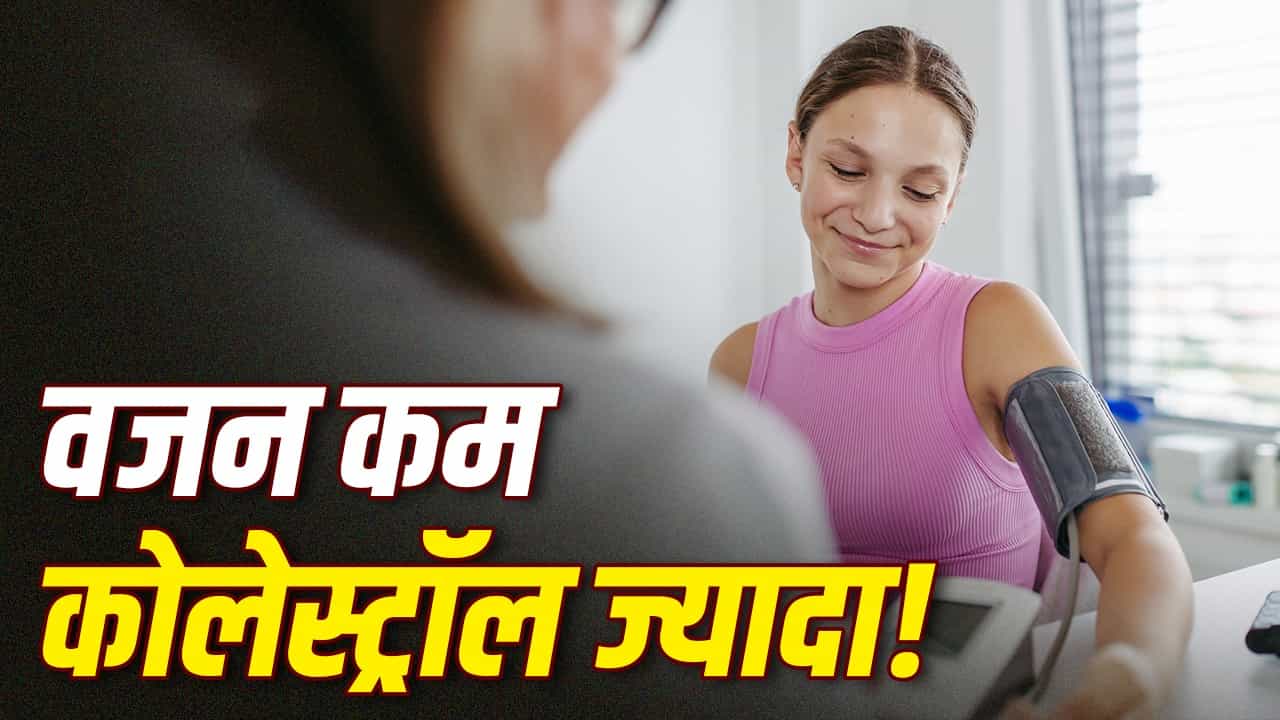
Generally, there is a deeply ingrained belief in society that high cholesterol, high blood pressure and heart diseases occur only in those people who are overweight or obese. Often people who are thin or whose body mass index (BMI) is absolutely normal, they assume that their body is completely healthy from inside and they can eat anything fried, roasted or sweet without any hesitation. According to cardiologists and endocrinologists, this thinking can prove to be a very dangerous and fatal delusion. According to medical science, the level of ‘bad cholesterol’ (LDL) and triglycerides in the blood of thin people can increase as dangerously as that of an overweight person. Many times thin people avoid regular health checkups due to lack of weight and this carelessness puts them on the verge of sudden heart attack or cardiac arrest.
Mathematics of cholesterol in the body: Liver and metabolism, not weight, decide the level.
Cholesterol is a wax-like sticky fatty substance (lipid), which is necessary for the formation of our cell walls, synthesis of vitamin D and production of essential hormones.
Most people do not know that the total cholesterol present in our body is approximately 75 to 80 percent of it is produced by our liver itself.whereas only 20 to 25 percent of cholesterol comes from our food. This means that cholesterol levels are not directly controlled by your subcutaneous fat, but by your internal metabolism, liver function, and genetics. If a thin person’s liver is making more LDL cholesterol than necessary or is unable to clear it from the blood, his cholesterol levels will begin to rise rapidly.
5 biggest and unseen reasons for increase in high cholesterol in thin people
According to medical experts, the following scientific reasons are mainly responsible for the increase in cholesterol in lean body:
-
1. Genetics and ‘Familial Hypercholesterolemia’: It is a genetic condition that is passed from parents to children. The liver of a person suffering from this disorder is congenitally incapable of filtering LDL (bad cholesterol) from the blood. No matter how thin such people are, eat less or exercise daily, the level of LDL in their body can reach 200 to 300 mg/dL or even higher.
-
2. ‘Skinny Fat/TOFI’ Syndrome: In medical language it is called TOFI (Thin Outside, Fat Inside). Such people look very thin and slim from outside, but their muscle mass density is very low and harmful ‘visceral fat’ accumulates around their internal organs – like liver, heart, intestines and pancreas. This internal fat continuously releases triglycerides and bad cholesterol into the blood.
-
3. Wrong eating habits and excessive consumption of trans fat: Thin people often feel that no matter how much pizza, burgers, samosas, pastries, fried snacks or packaged food they eat, their weight will not increase. Even if the weight does not increase, the ‘trans fat’ and ‘saturated fat’ present in the food go directly into the arteries and start sticking in the form of plaque.
-
4. Sedentary routine and cigarette-alcohol: Thin people who sit all day (sedentary lifestyle), do not exercise or smoke, the level of ‘good cholesterol’ (HDL) in their body falls rapidly. The nicotine present in cigarettes damages the inner lining of the arteries, making it easier for cholesterol to accumulate.
-
5. Thyroid Disorders and Chronic Stress: In case of underactive thyroid (hypothyroidism), the body’s metabolism slows down, due to which the breakdown of cholesterol does not take place. Apart from this, the ‘cortisol hormone’ released due to excessive stress also stimulates the liver to produce extra cholesterol.
Danger of ‘Skinny Fat’ Syndrome and Genetics: Know how wax-like cholesterol that blocks veins gets accumulated in a thin body.
Hidden symptoms of high cholesterol: How can thin people recognize the danger?
Cholesterol is called a ‘silent killer’ in the medical world, because no obvious symptoms are felt in its initial stages. When the arteries become blocked by 60 to 70 percent, some physical signs appear:
-
Yellow spots near the eyes (Xanthelasma): Light yellow waxy bumps or rashes appear at the corners of the eyelids, which are a sign of lipid accumulation under the skin.
-
White circle around the cornea (Arcus Senilis): Appearance of a white or brown round ring on the outer edge of the cornea.
-
Shortness of breath and heaviness in the chest when climbing stairs: Sudden extreme tiredness, rapid heartbeat or feeling of tension in the middle of the chest during normal activities.
-
Numbness or pain in feet and soles (Peripheral Artery Disease): Pain in the calves while walking or frequent feeling of cold in the feet, which is a sign of obstructed blood flow in the veins of the legs.
When and which tests should thin people undergo?
Doctors recommend that after the age of 20, every adult, whether underweight or overweight, should get a ‘Lipid Profile Blood Test’ done at least once every 3 to 5 years.
If anyone in the family has a history of heart attack or stroke at a young age, this test should be done every year after 12 hours of fasting. A normal lipid profile reports:
-
Total Cholesterol: Should be less than 200 mg/dL.
-
LDL (bad cholesterol): Less than 100 mg/dL (less than 70 for heart patients).
-
HDL (good cholesterol): More than 40 mg/dL in men and more than 50 mg/dL in women.
-
Triglycerides: Should be less than 150 mg/dL.
5 important measures to control cholesterol
Increase soluble fiber in your diet: Include oats, psyllium husk, pulses, beans, apples, flax seeds and green leafy vegetables in your diet. Soluble fiber acts like a sponge in the intestines and absorbs cholesterol and removes it from the body.
Strength training and lean muscle building: Thin people should focus on weight training and resistance exercises instead of just cardio (running). By building muscles in the body, visceral fat is eliminated and metabolism becomes stronger.
Choose Healthy Fats: Instead of refined oils and vegetable ghee, consume limited amounts of mustard oil, olive oil, walnuts, almonds and chia seeds, which help in increasing HDL (good cholesterol).
Avoid smoking and alcohol: Quitting cigarettes is the most effective way to increase HDL cholesterol immediately.
Regular intake of statins as per medical advice: If cholesterol is very high due to genetics and is not being reduced by diet and exercise, then without any hesitation take cholesterol reducing medicines (statins) prescribed by the doctor.
Being lean or slim on the outside is not a guarantee of internal health and a strong heart. Instead of relying on the external shape of your body, rely on blood reports and keep your heart safe by getting your lipid profile checked from time to time.