 look news india

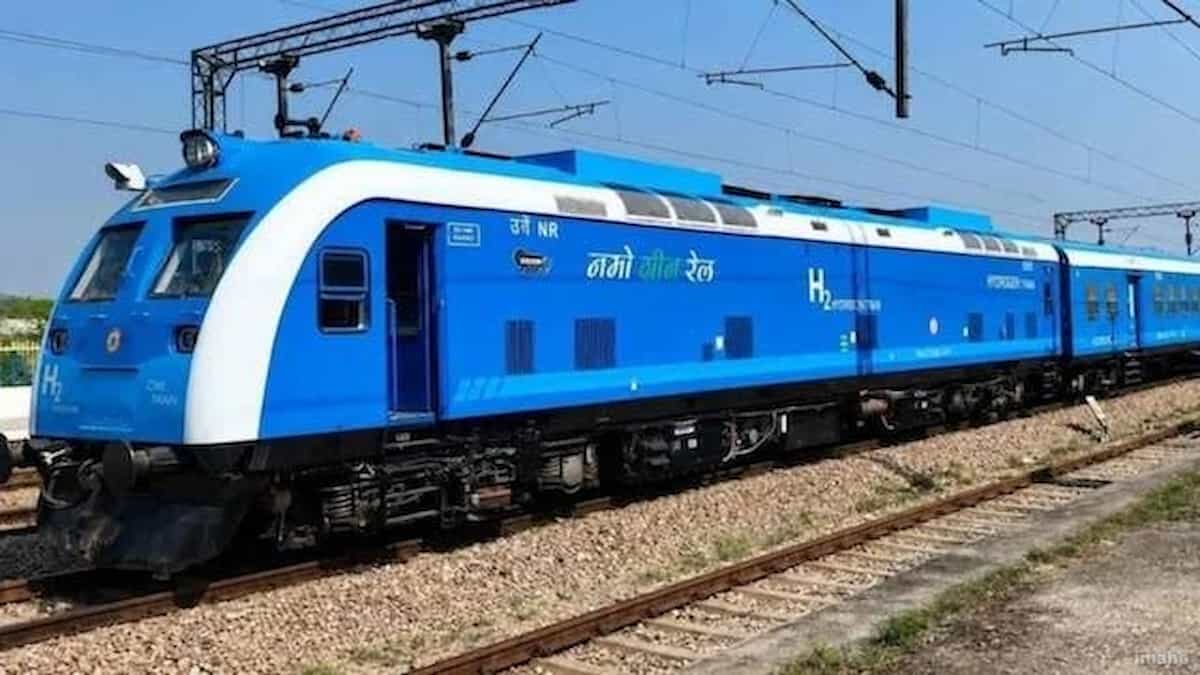
India has taken a historic leap towards green energy. Prime Minister Narendra Modi has flagged off the country’s first indigenous Hydrogen Train from Jind, Haryana. This train is not only environment friendly, but its fare is also very economical, making it much cheaper than other developed countries of the world.
Very cheap journey, fare less than platform ticket
The biggest feature of this train is its fare. The minimum fare of this train running on Jind-Sonipat route has been kept at just ₹ 5, which goes up to a maximum of ₹ 25. Interestingly, this fare is cheaper than the platform tickets available at many railway stations. The objective of Railways is to provide the common passengers with the experience of state-of-the-art and pollution-free travel without putting any financial burden on them. The station wise fare list is as follows:
-
Jind City to Pandu Pindara: ₹5
-
Jind to Bhambhewa: ₹10
-
Jind to Gohana: ₹15
-
Jind to Mohana: ₹20
-
Jind to Sonipat (full journey): ₹25
Why is it better than Japan and England?
Hydrogen train technology is already being used in countries like Germany, England, France, Italy and the US. India has also now made its place in this ‘Hydrogen Club’. This indigenous train of Indian Railways is not only technically capable, but its operating cost and passenger fare is quite low compared to global standards. While hydrogen train travel can be quite expensive in developed countries, India has kept it ‘within the reach of the common man’.
How does this ‘Green Train’ work?
This train is equipped with a Proton Exchange Membrane (PEM) fuel cell system with a capacity of 1,200 kW. It generates electricity from the chemical process of hydrogen and oxygen, due to which the train runs and only water steam is released in the name of emissions. About 2,600 passengers can travel simultaneously in this 10-coach train. Its speed is 75 km per hour, which can be increased up to 110 km per hour.
Strict security arrangements
For the safety of passengers, the train is equipped with hydrogen leak detector, flame detector and high-tech sensors to monitor smoke and temperature. In any abnormal situation, the hydrogen supply automatically stops, making the journey completely safe. This will not only reduce the dependence on diesel trains, but will also further strengthen the resolve of ‘self-reliant India’ and ‘developed India’.