 look news india

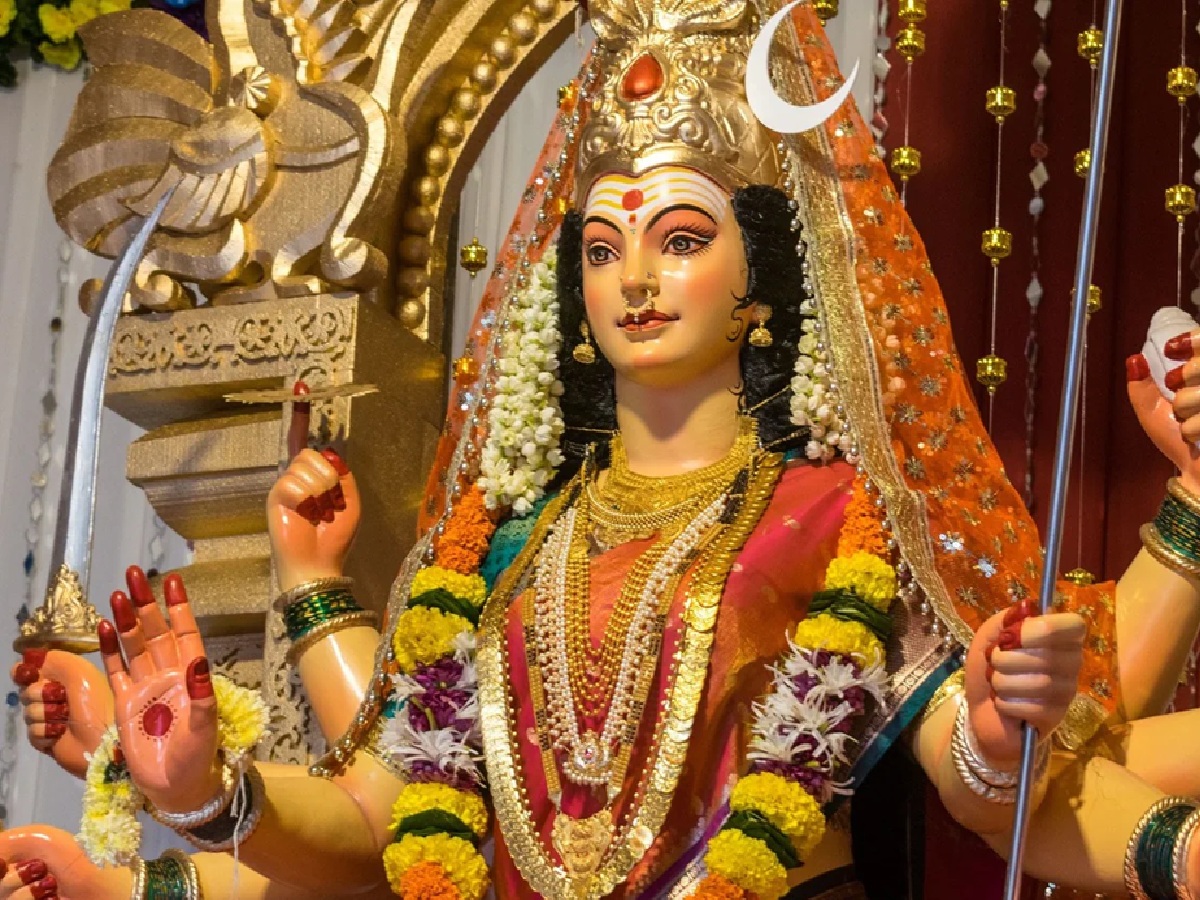
The Gupt Navratri of Ashadha month, which has special significance for secret and mysterious practices in the Sanatan tradition, has officially started from today i.e. 15th July 2026. This nine-day long festival, which will continue till 23rd July 2026, will conclude with a grand Durga Navami. According to the Vedic calendar and mythological beliefs, there are two general Navratri (Chaitra and Sharadiya) in the year in which nine public forms of Goddess Durga are worshipped, but on the contrary, Gupt Navratri (Gupt Navratri) falling in the month of Magh and Ashadha is mainly dedicated to Tantra-Mantra and Gupta Siddhis.
Great festival of Tantra Sadhana: Special mention in ‘Meru Tantra’ and ‘Damar Tantra’
These nine days of Ashadh Gupt Navratri are mentioned in great detail in religious and tantric texts like ‘Meru Tantra’ and ‘Damar Tantra’. According to astrologers and Tantra Acharyas, the flow of cosmic energy is extremely intense during these nine days, due to which this time is considered best for accomplishing the most difficult sadhanas. While normal Navratri is completely public and festive, in Gupt Navratri the devotees stay away from the worldly glare and worship Adi Shakti in solitude and complete privacy.
Nine forms of Maa Durga versus ten Mahavidyas of the Goddess
During Gupt Navratri, instead of the nine goddesses who are generally worshipped, there is an infallible rule of worshiping ten supreme and powerful forms of Goddess Bhagwati i.e. ten Mahavidyas. In the Tantra world these powers are worshiped as the supreme mystery of the universe. These ten Mahavidyas of the Goddess are as follows:
-
Maa Kali
-
Tara Devi
-
hexadecimal
-
Bhuvaneshwari
-
Bhairavi
-
Chhinnamasta
-
Dhumavati
-
Baglamukhi
-
Matangi
-
Kamala Devi
Can householders also observe fast? Know the simple method of worship
There is often a doubt in the minds of the general public whether Gupt Navratri is only for Aghoris and Tantriks? According to experts, although this festival is considered paramount for Tantric practitioners, householders and ordinary devotees can also worship the Mother Goddess for spiritual benefits and mental peace by following the rules and regulations with devotion. During these nine days, household devotees should worship only the nine traditional forms of Maa Durga (Shailputri, Brahmacharini, Chandraghanta, Kushmanda, Skandamata, Katyayani, Kalratri, Mahagauri and Siddhidatri) instead of the ten Mahavidyas. During this period, regularly reciting ‘Durga Saptashati’ by lighting a ghee lamp in the morning and evening and observing fast provides happiness, prosperity and security in the lives of the householders.