 look news india

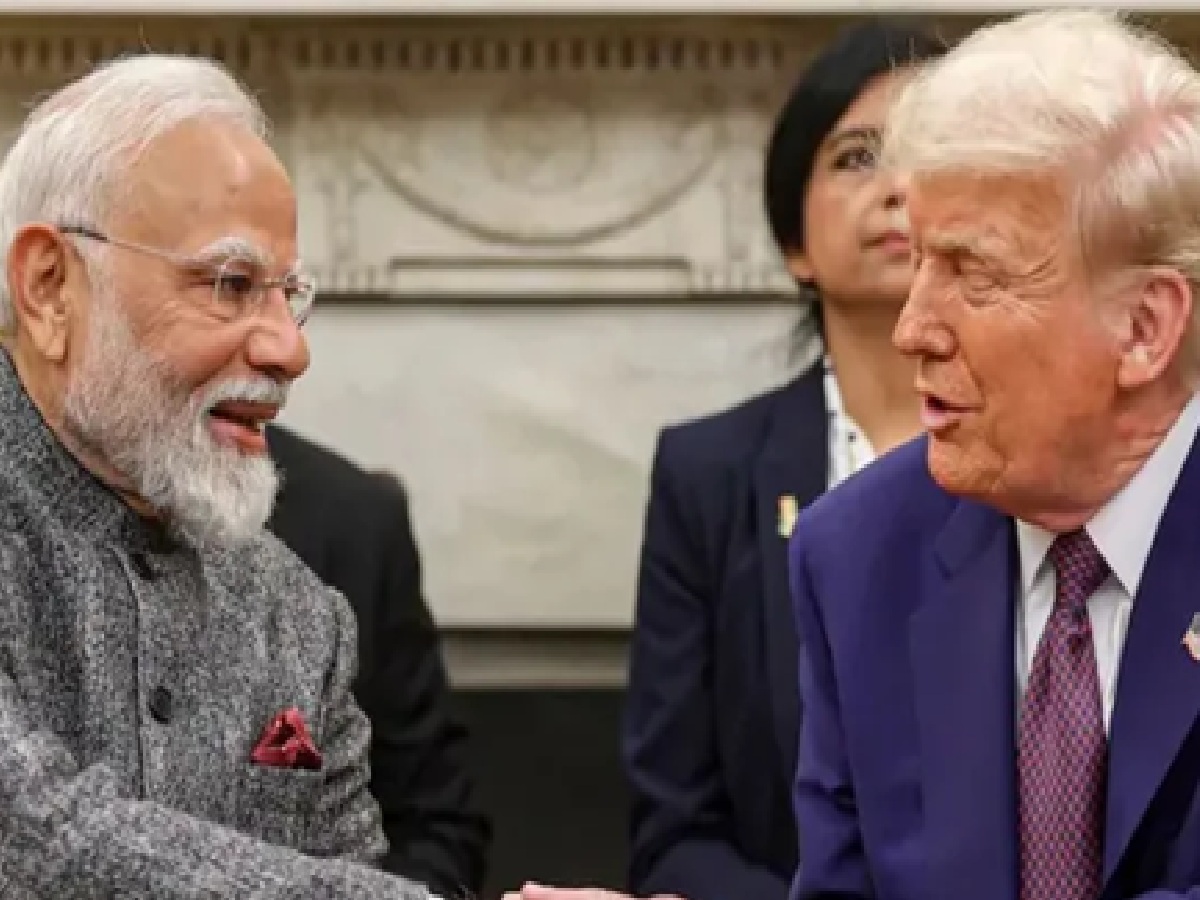
A very shocking and worrying turn has emerged between the strategic and trade relations between India and America. Causing a stir in global oil markets and diplomacy, the White House has openly endorsed a tough US sanctions bill that, if legally implemented, could impose a record-breaking import duty of up to 500 per cent on goods from India to the US over continued purchases of Russian crude. According to a report by international news agency ANI, a senior White House official has confirmed that US President Donald Trump has come in favor of this stringent punitive law to completely halt Russia’s economic revenues.
What is ‘Sanctioning Russia Act’ and why is India its main target?
This controversial and very aggressive law introduced in the US Parliament is being known as ‘Sanctioning Russia Act’. It was drafted by the late Republican Senator Lindsey Graham and Democratic Senator Richard Blumenthal. The basic objective of this bill is to put strong economic pressure not only on Russia but also on those countries which are doing big business transactions with Moscow’s energy sector despite the Ukraine war. According to statements made in the US Senate, about 70 percent of Russia’s total oil, gas and petroleum exports are going directly to India and China, providing huge revenues to Moscow. America believes that by completely stopping this demand, Russia will become economically helpless and the Ukraine war could end soon.
India stuck in legal gray zone: US exemption ends on June 17
This geopolitical crisis for India has deepened even more because the temporary special exemption (Sanction Waiver) given by the US Treasury Department on June 17, 2026, has officially ended, under which New Delhi was legally allowed to buy crude oil from Russia at concessional rates without fear of any US sanctions. Since the expiry of this exemption, India has now fallen into a complex international legal gray zone. If this new law is passed, it would give any president in US history the authority to impose the most sweeping and dangerous ‘secondary tariff’ ever passed by Congress.
Threat of recession looms on Indian GDP and these major sectors
International economists and global trade experts have warned that if the US imposes this punitive tariff of 500 percent on India, the Indian economy will suffer a huge financial blow. According to initial estimates, this could lead to a huge decline of up to 0.5 percent in India’s total GDP. This will have the most devastating impact on India’s strongest sectors exporting to the US, such as pharmaceuticals, textiles and IT services. However, the Government of India and the Ministry of External Affairs continue to maintain their longstanding and independent stance that the country’s energy imports are driven solely by its national economic security and domestic needs, which have nothing to do with any international geopolitics.
Contradiction within the Republican Party: warning of global trade standstill
Following the sudden demise of Republican Senator Lindsey Graham, the bill has gained a new emotional and political momentum in the US Parliament, where many senators are adamant on passing it as a mark of respect for his work. However, deep differences have emerged among American politicians themselves regarding this bill. Many Democrats, including Senate Minority Whip Dick Durbin, want President Trump to publicly clarify his position on the issue rather than merely relying on officials’ statements. On the other hand, Rand Paul, a senior senator from Trump’s Republican Party, has strongly opposed this harsh law, warning that imposing such punitive economic sanctions on the world’s largest markets like India and China will collapse the entire global trade chain and could lead to a widespread economic recession and instability in the world.