 look news india

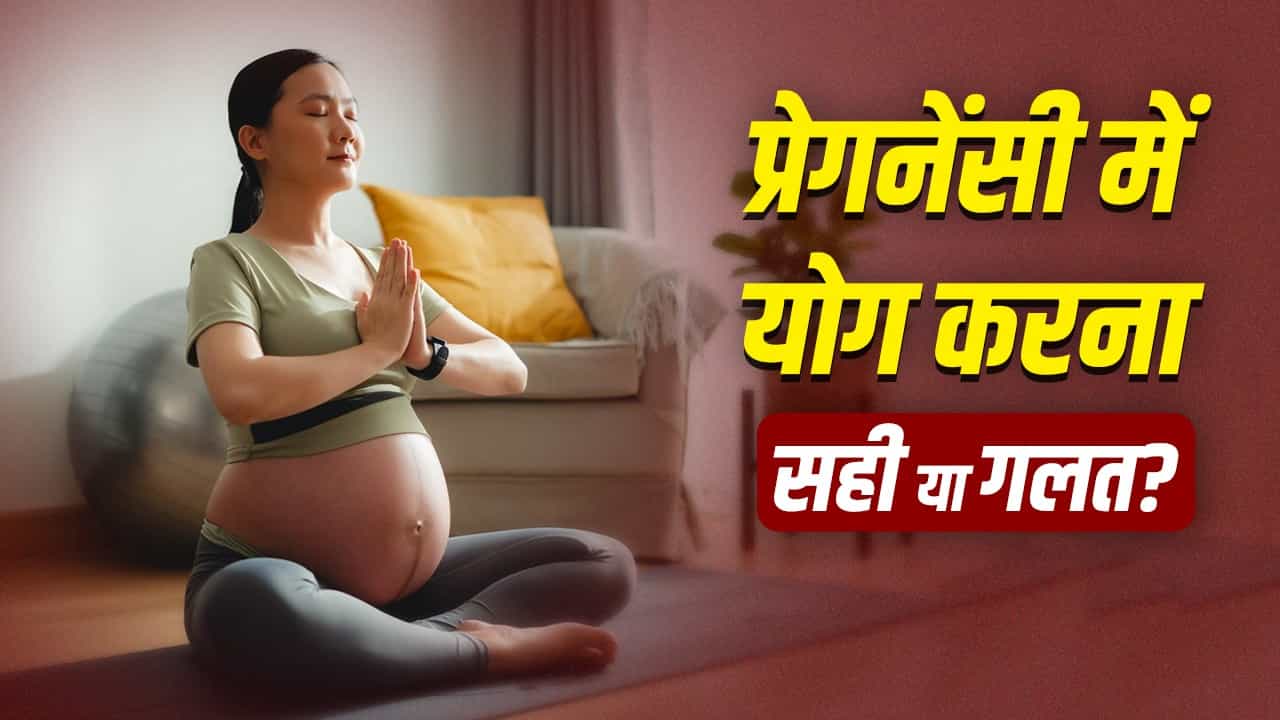
Pregnancy is a very beautiful and special journey in every woman’s life. During these nine months, many physical, mental and hormonal changes take place in a woman’s body. This is the reason why in this critical period, it is considered most important to take special care of the health of both the mother and the baby (fetus) in the womb. Along with proper eating habits, adequate rest and stress-free routine, many questions also arise in the minds of women regarding whether it is right to do exercise or yoga at this time? Nowadays, many women try to maintain their fitness and keep their body active even during pregnancy.
However, according to medical science, the health condition, physical structure and needs of every woman during pregnancy can be completely different. Therefore, it is very important to have correct and scientific information before adopting any kind of physical activity or fitness routine. It is also important to understand that the needs of the body keep changing in different stages (trimesters) of pregnancy. Starting any new heavy exercise without proper medical guidance can be harmful. Let us know how safe it is to do yoga and stretching during pregnancy, and what things should be kept in mind while doing it.
Is it safe to do yoga and stretching during pregnancy? Know ACOG’s guidelines
The organization considered to be the highest standard in gynecological matters throughout the world. American College of Obstetricians and Gynecologists (ACOG) According to , pregnant women who do not have any serious medical complications or internal problems related to pregnancy can easily do prenatal yoga, light stretching and other low or moderate intensity physical exercises regularly as per the written advice of their doctor. Regular physical activity done in a safe manner during pregnancy not only keeps the body active, but it also increases the ability to bear the pain during delivery.
But keep in mind that every woman’s pregnancy case is completely unique. A posture that is comfortable for one woman may be risky for another. Therefore, before starting any new asana, definitely discuss with your gynecologist. Apart from this, as the size of the baby increases in the womb, the balance of the body changes. Therefore, the steps of yoga should also be changed accordingly. If you feel slight pain in the stomach, dizziness, shortness of breath, blurred vision or any kind of discomfort during any yoga asana or stretching, then stop it at that very second and contact your doctor without delay.
Take special care of these 5 things while doing yoga and stretching during pregnancy
While doing yoga during pregnancy, your aim should not be to lose weight or achieve heavy flexibility, but to keep the body relaxed. During practice, pay special attention to the following points:
-
Expert Care: Always do yoga under the direct supervision of a certified prenatal yoga expert. Do not make the mistake of doing complex asanas while watching TV or YouTube at home.
-
Avoid pressure on the stomach: Do not do any such asana, twisting or stretching which puts direct pressure on your abdomen or make you lie on your stomach.
-
Attention to balance: During pregnancy, due to increase in ‘relaxin’ hormone in the body, the joints become loose, due to which the risk of falling or loss of balance increases. Therefore, always do asana with the support of a wall or chair.
-
Hydration and comfortable clothing: Drink adequate amount of water before and after starting yoga so that the body remains hydrated. Always wear loose and comfortable cotton clothes.
-
Warning signs: If you experience bleeding, spotting, fluid leakage, or severe lower back pain during or after exercise, go to bed rest immediately and call a doctor.
Which women should not do yoga at all without doctor’s permission? (High-Risk Cases)
If your pregnancy falls under the following categories or medical conditions, you are strictly prohibited from starting any new physical activities or stretching without a thorough examination and permission from your doctor:
-
Chronic diseases: If the woman complains of high blood pressure (Pre-eclampsia), any heart disease or severe anemia (severe blood deficiency).
-
Complications of pregnancy: If there has been bleeding in the early months of pregnancy, placenta previa (low-lying placenta), or a history or risk of pre-term labor.
-
Multiple Pregnancy: If there are twins or more babies growing in the woman’s womb.
-
Prior Miscarriage: The case of women who have had a miscarriage before is considered very sensitive, hence they should be completely cautious in the initial months.