 look news india

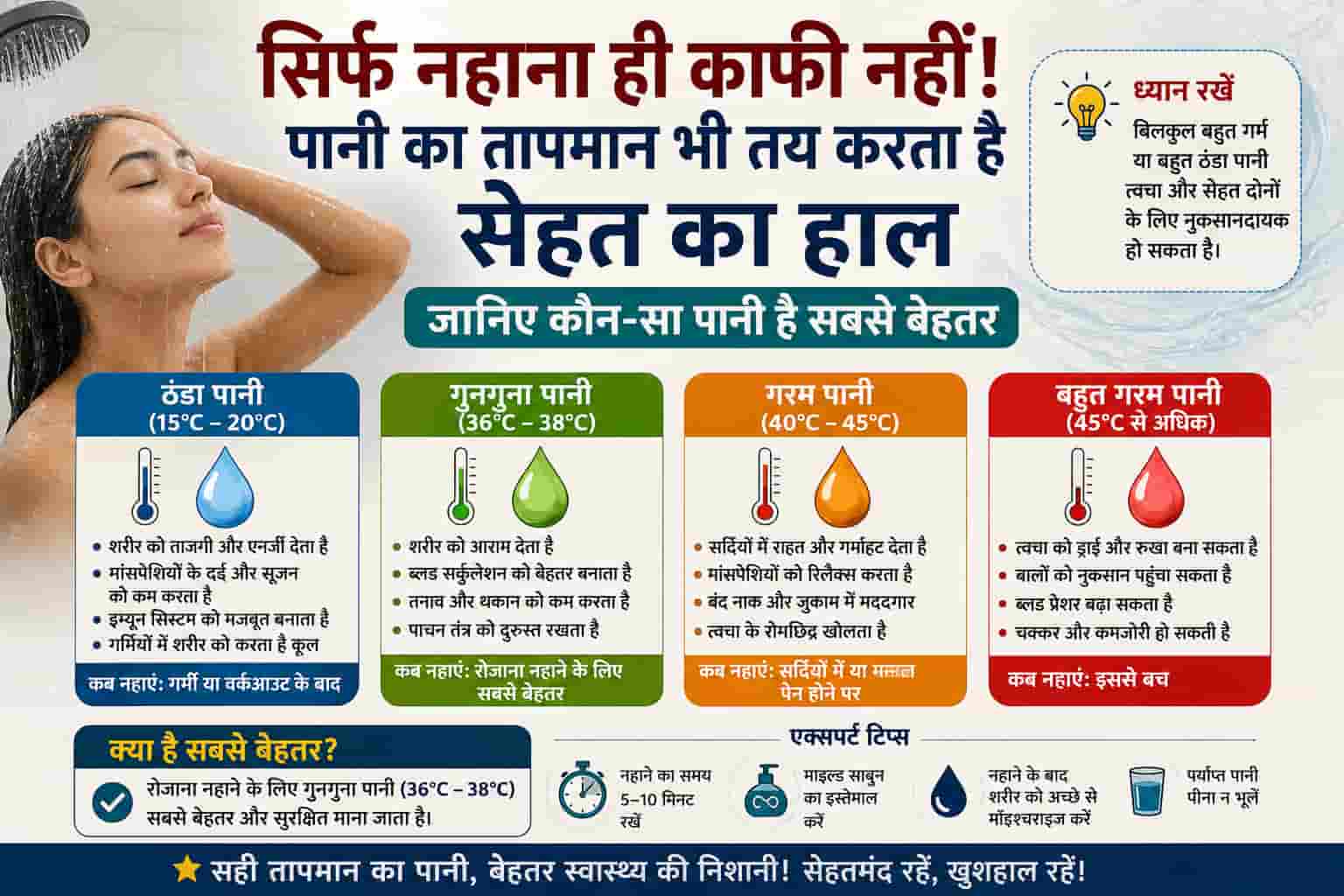
Bathing is a very important part of our daily routine. Some people like to take bath after waking up in the morning, while others prefer to take bath in the evening or night to remove the tiredness of the day. Taking bath not only cleans the body and provides freshness, but also reduces mental stress to a great extent. Despite this, most people do not pay attention to one of the most important things when taking a bath—and that is the temperature of the water. According to experts, the temperature of bathing water is not just a matter of comfort or personal preference, but it has a direct and deep impact on our skin, blood circulation, heart health, quality of sleep and energy level of the body. This is why it becomes very important to know which is the best option for health among cold, hot and lukewarm water.
Why is lukewarm water considered the most balanced and safe option?
According to medical experts, bathing with lukewarm water is considered the safest, balanced and beneficial option for most people. Lukewarm water helps in maintaining the natural moisture of the skin and prevents the skin from becoming excessively dry. Generally, water with a temperature of 98 to 105 degrees Fahrenheit (ie about 37 to 40 degrees Celsius) is considered lukewarm water, which is very close to our normal body temperature. This temperature not only relaxes the muscles of the body but also maintains perfect hydration of the skin. Taking bath with lukewarm water gives instant freshness to the body without any side effects and there is no additional pressure on the skin cells.
Benefits of bathing with hot water: Muscle pain and fatigue will go away
Especially during the winter season, many people like to take bath with hot water. Generally, water with a temperature between 43 to 60 degrees Celsius is classified as hot water. There are many physical benefits of taking a hot water bath. It provides instant relief to the strained muscles of the body and proves helpful in reducing physical and mental fatigue throughout the day. Apart from this, due to the effect of hot water, the blood circulation of the body increases, due to which the body feels warm. Some health studies have also revealed that bathing in hot water provides temporary relief from joint pain and arthritis. Washing feet or bathing with warm water at night relaxes the body, which reduces stress and leads to very peaceful sleep.
It is very important to know the disadvantages of extremely hot water.
Even though bathing with hot water feels very comfortable and pleasant, regular use of excessively hot water can prove to be very harmful for your skin and hair. Dermatologists say that too hot water completely destroys the natural ‘lipid barrier’ of the skin. Lipid barrier is the protective layer of the skin that locks moisture and maintains moisture. When this layer becomes weak or damaged, the skin begins to appear dry, stretched, lifeless and with premature wrinkles. In people with sensitive skin, the problem of itching, rashes and burning sensation increases due to hot water. Therefore, keep in mind that bathing water should never be so hot that it causes redness or irritation on the skin.
Benefits of bathing with cold water: The body gets instant energy and alertness.
In seasons other than winter, bathing with cold water is also the first choice of many people. Generally, water with a temperature of 10 to 15 degrees Celsius is considered cold water. As soon as you take a bath with cold water, the nervous system of the body becomes active and you immediately feel amazing freshness and agility in the body. Taking a cold water bath in the morning is a great way to wake up the mind, increase focus and make a person more alert and energetic. According to experts, cold water is very effective in reducing inflammation in the body and providing relief from muscle pain after heavy workouts. This is the reason why athletes and sportsmen around the world use ‘ice bath’ or cold water after intense training or workout.
Cold water is not safe for everyone, take these precautions
Bathing with cold water definitely has its benefits, but it is not considered suitable for the health of every person. According to medical experts, people who have high blood pressure, heart disease, asthma or any other serious health problem should always avoid bathing in cold water suddenly or should consult a doctor first. The reason for this is that when cold water suddenly falls on the body, the blood vessels contract rapidly, due to which blood pressure and heart beat can suddenly increase. This condition can prove dangerous for patients with weak heart. Therefore, choose cold water keeping your current health condition in mind.
Final Conclusion: After all, which water is best for regular bathing?
If all the aspects of health, beauty of skin and protection of internal organs are weighed together, then ‘lukewarm water’ emerges as the best and all-time option for most of the people in every respect. Lukewarm water neither strips the skin of its natural oils and makes it dry nor does it put any sudden adverse pressure on the heart rate like cold water does. It plays the most balanced role in calming the body, maintaining the natural glow of the skin and providing general health benefits. This is why dermatologists and health experts around the world always recommend using lukewarm water for daily bathing.
Choose water according to season, age and your physical condition.
While choosing the right temperature of water for bathing, it is very important to keep in mind the current weather, your age, physical ability and personal comfort. During scorching summer days, slightly cool or normal temperature water provides better relief to the body, whereas during harsh winters, lukewarm water proves to be the most comfortable and safe option. The most important rule is that the temperature of the water should always be such that it provides internal comfort and relaxation to your body and not have any negative or harmful effect on your skin or internal health.