 look news india

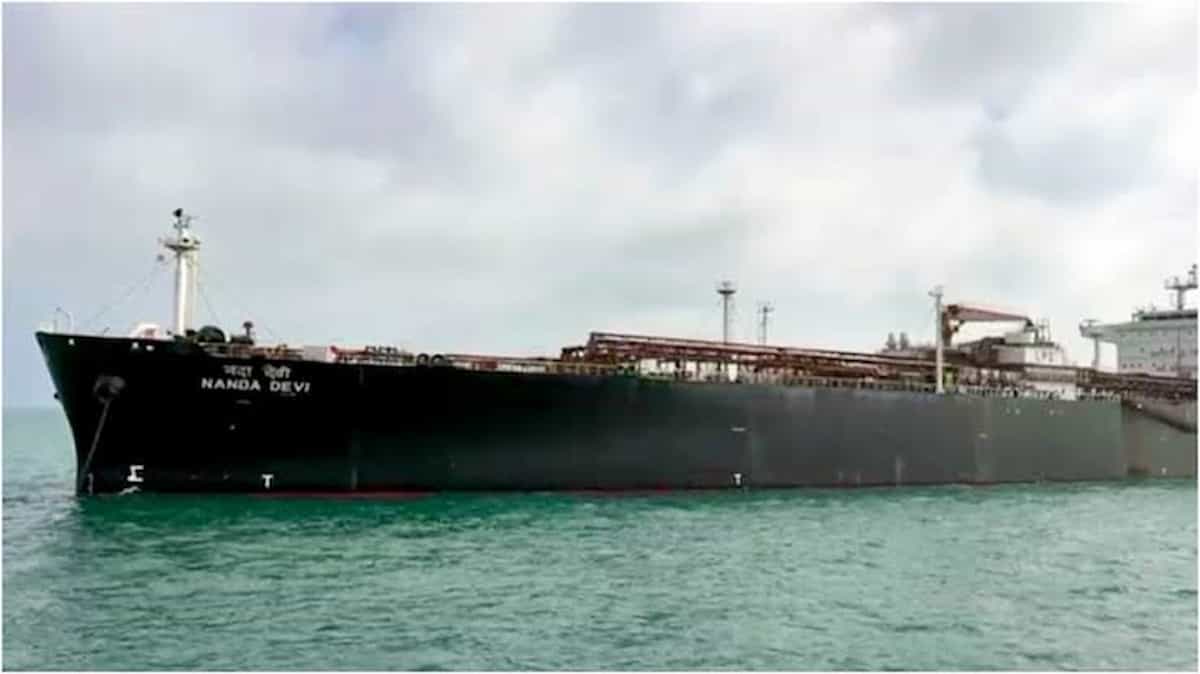
Due to geopolitical tensions in the Strait of Hormuz, which is considered the most sensitive in terms of global energy security, all eyes are on the movement of Indian oil tankers. According to latest reports, many important tankers meeting India’s oil needs are stuck on this route or are moving with extreme caution. This route of Hormuz is considered a lifeline for crude oil and LPG coming to India from Gulf countries. In such a situation, not only is there a fear that the supply chain will be affected due to the stuckness of these tankers, but speculations have also increased regarding the impact it will have on the Indian economy and the common man’s pocket.
How many oil tankers of India are stranded and what is their current status? According to shipping data and information from official sources, currently around 4 to 6 large tankers carrying crude oil and gas for India’s major oil companies (such as IOCL, BPCL and HPCL) are facing security checks or en route delays near the Strait of Hormuz. However, the Ministry of Defense and Petroleum has clarified that the situation is being closely monitored and Indian Navy ships are also deployed to ensure the safety of commercial vessels in the area. Experts estimate that if the situation remains normal, these tankers can reach Indian ports within the next 7 to 10 days.
Will the prices of petrol, diesel and LPG reduce with the arrival of tankers? The biggest question in the minds of common consumers is whether there will be any relief in the prices of petrol, diesel and LPG after the arrival of these ships in India. Market analysts believe that the arrival of these tankers in the country will mainly ensure supply continuity and not an immediate cut in prices. Fuel prices in India depend on the average price of crude oil in the international market and the position of the rupee against the dollar. Since there is instability in the prices of crude oil at the global level due to the tension in Hormuz, the possibility of price reduction due to the arrival of tankers is currently less, but this will avert the risk of shortage of oil and gas in the country.
Possible impact of supply delay on Indian economy India imports more than 60% of its total crude oil requirements through the Strait of Hormuz. If tankers remain stranded here for a long time, it increases freight charges and insurance costs, which directly impacts the margins of oil companies. The government is currently preparing to deal with any emergency through Strategic Petroleum Reserves. However, it is a matter of relief that due to continued import of oil from Russia and other alternative sources, there is no immediate major crisis visible on India’s energy security.