 look news india

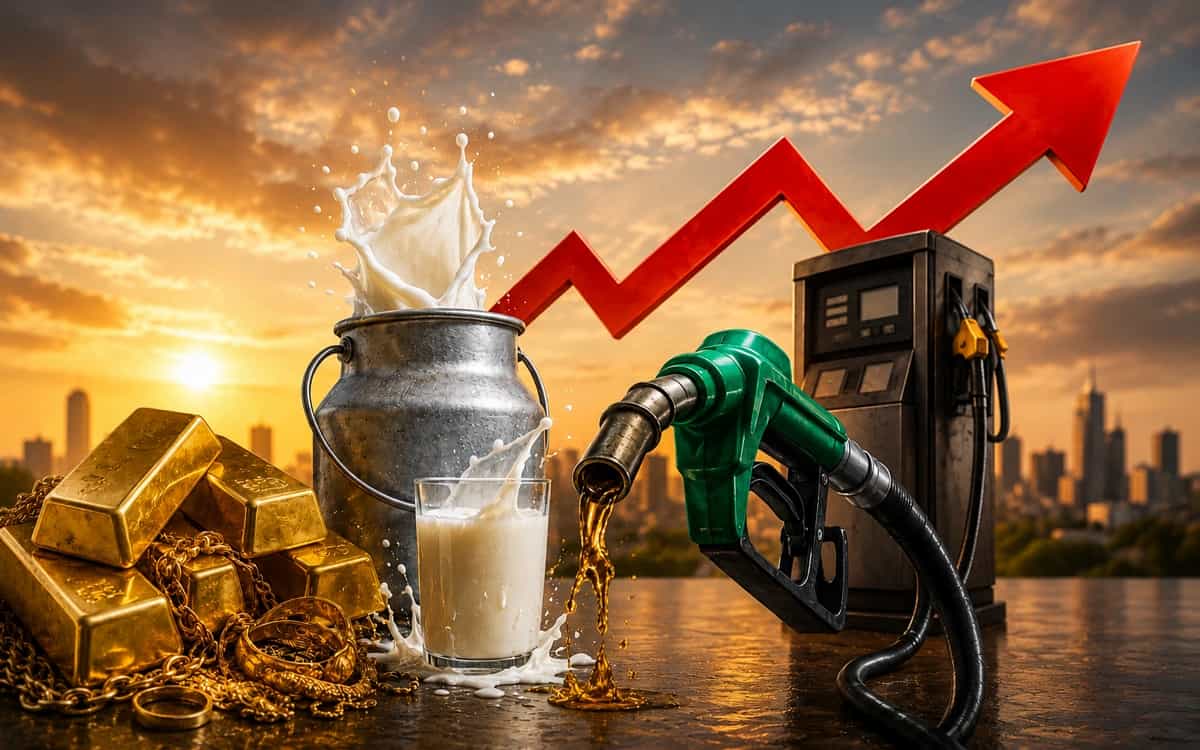
The general public in the country has once again suffered a major blow on the inflation front. Wholesale inflation figures for the month of May have been released, which has increased the concerns of both the government and the common man. Due to continuous increase in the prices of fuel, electricity and food products, the wholesale price index (WPI) based inflation rate has increased to 9.68 percent in May. This surge is considered to be much bigger than the last few months, due to which discussions have intensified among market experts regarding its impact on the retail market in the coming days.
Food and fuel prices spoil kitchen budget This time, the main reason for this big jump in wholesale inflation is being considered to be the huge increase in the prices of primary commodities, especially food items and fuel. The prices of potatoes, onions and green vegetables have increased rapidly in the wholesale market during May. Along with this, the direct impact of fluctuations in the prices of crude oil in the international market has been seen on the prices of petrol, diesel and LPG at the domestic level. Due to the increase in prices of these essential commodities, transportation costs have directly increased, which is having an all-round impact on other daily consumption items as well.
Rising cost of manufactured products increases concerns of manufacturers Not only food items but also manufactured products have become expensive in the wholesale market. The cost of manufacturing sector has increased due to increase in prices of basic metals, chemicals, textiles and other industrial raw materials. Experts say that when production costs increase for companies at the wholesale level, they ultimately pass the burden on to retail consumers. In such a situation, in the coming days, common consumers may have to shell out money for various products in the retail market also.
What will be the impact on RBI’s monetary policy and interest rates? After the wholesale inflation rate has reached this level, now all eyes are on the next steps of the Reserve Bank of India (RBI). To control the ever increasing inflation, pressure on the Central Bank regarding policy interest rates (repo rate) may increase. If this trend of inflation continues in the coming time, then the central bank may postpone the decision to cut interest rates, or may take strict steps to control liquidity in the market. This can also have a direct impact on the EMI of home loan, car loan and personal loan of the common man.