 look news india

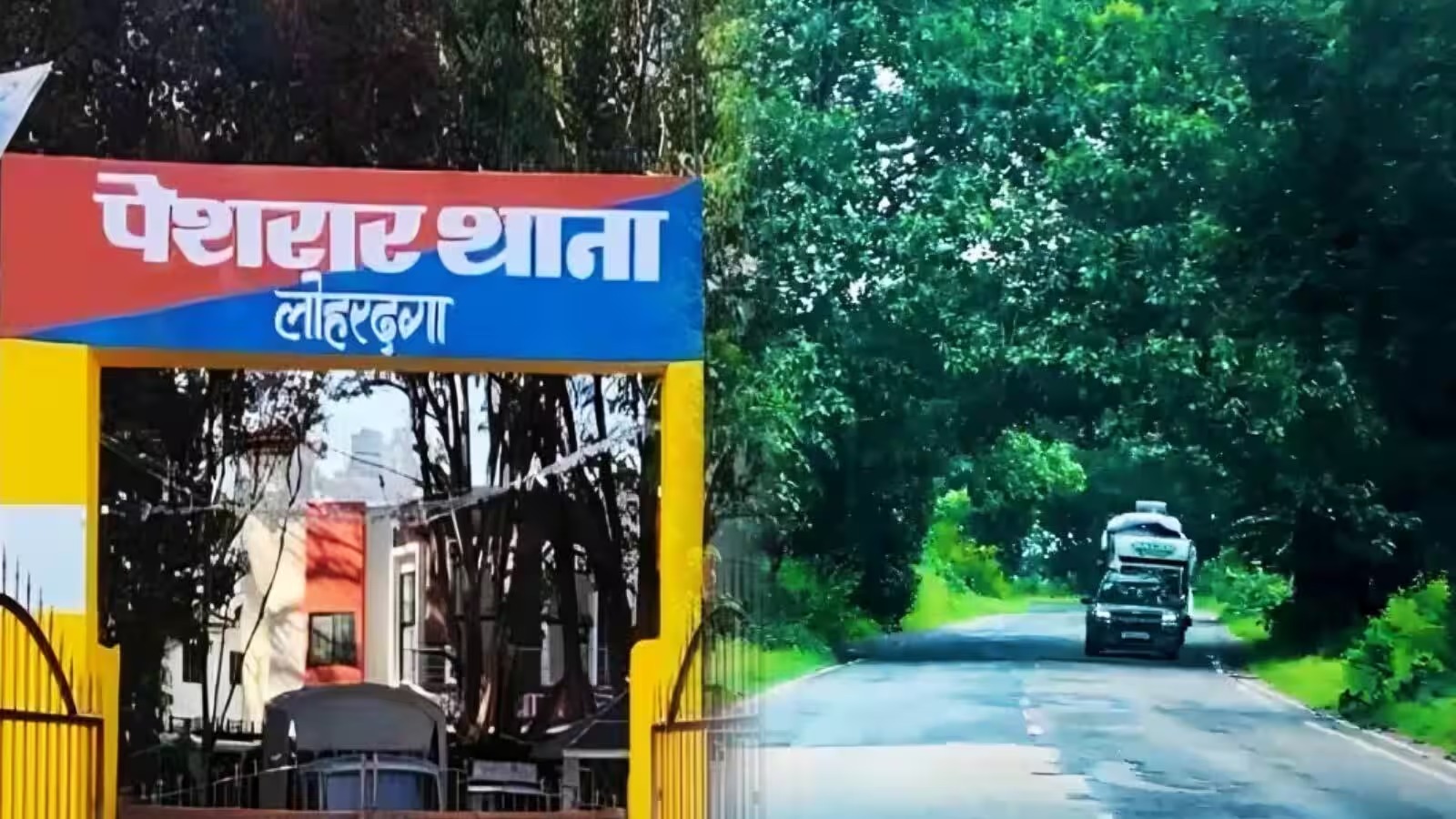
Jharkhand, which came into existence as the 28th state of the country by separating from Bihar in the year 2000, has now entered the 26th year of its establishment. In the last two and a half decades, this mineral-rich state has not only written a new story of development, but has also completely changed its biggest and most painful image, which was once the biggest obstacle in its development. The state where once there was silence in the dense forests, remote tribal areas and border districts due to the fear of ‘red terror’ i.e. Naxalism with the setting sun, today the atmosphere there has completely changed due to the bold operations of the security forces and the rejuvenation of the infrastructure. The roads where vehicles were once hesitant to pass even during the day due to the fear of landmines, are now bustling with activity till late night, twinkling lights and street vendors’ shops are telling a new story of the local economy.
Taking advantage of Jharkhand’s geographical structure and dense forests, the CPI (Maoist) and other extremist groups had for decades transformed many districts of the state into ‘Red Corridors’ of their influence. The ultra-sensitive Budha Pahad of Latehar, the vast Saranda forest of West Singhbhum and the Jhumra Pahad of Bokaro were areas where the entry of the administration or the police was considered extremely risky. However, in the last few years, joint operations like ‘Operation Mega’ and ‘Operation Octopus’ by the Central Reserve Police Force (CRPF), Jharkhand Jaguar and local police completely destroyed this impenetrable fort of Naxalites. The establishment of a permanent camp of security forces on Budha Pahad proved to be a strategic turning point in the history of the state, after which the parallel government of Naxalites came to an end and for the first time, democratic processes and development plans could directly reach the ground there.
With the end of Naxalism, with the coordination of the state government and the central government, there has been unprecedented expansion of basic facilities in the remote rural and tribal areas of the state. Thousands of kilometers of metalled roads and bridges have been constructed under the Pradhan Mantri Gram Sadak Yojana and State Highway Networking in the areas which were affected by Naxalism in the past. Rural youth are now connected with digital connectivity due to the installation of hundreds of 4G/5G towers of mobile network in inaccessible hills and forests. Uninterrupted electricity supply, solar street lights and new police pickets opened in remote areas have created a new sense of security within the local villagers. Now the farmers and small traders of the villages are taking their produce and goods to the nearby markets and selling them without hesitation till late night, due to which a big improvement has been recorded in their income and standard of living.
Along with the protective actions, the new and attractive ‘Surrender and Rehabilitation Policy’ of the Jharkhand Government has also inspired the wayward youth to return to the mainstream. Dozens of rewarded Maoists and top commanders have surrendered from the path of violence and are being provided financial help and self-employment opportunities to integrate them into the mainstream. Along with this, the youth of the areas which once grew up under the shadow of guns, are today bringing glory to the state on the national and international stage in sports like hockey, archery and athletics. In this journey of 26 years, Jharkhand has proved that even the toughest security challenges can be overcome through strong will, courage of the police force and continuous development campaigns.